Loading... Please wait...
Already have an account?
Login to check loyalty balance or redeem rewards
FOR THE BEST DEALS ON AFRICAN PRODUCTS, SHOP ONLINE TODAY.
Loading... Please wait...
Posted on 28th Aug 2026 @ 11:38 AM

08/28/2026
Table of Contents:
The Origin Story & Royal History
How Authentic Kente Is Crafted
Handwoven Kente Cloth vs. Cotton Print Kente: Key Differences
Colors & Their Traditional Meanings
How Kente Is Worn & Incorporated Today
Why You Should Add Kente to Your Wardrobe
Shades of Africa Kente Apparels
When you think of iconic, globally recognized African textiles, Kente fabric is often the first that comes to mind. Famous for its vibrant geometric patterns, rich history, and bold colors, Kente is far more than just a beautiful woven pattern. It is a visual narrative of heritage, status, and culture.
The Origin Story & Royal History
Kente originated in the West African nation of Ghana. It is deeply rooted in the traditions of the Asante (Ashanti) Kingdom in the central region, as well as the Ewe people in the Volta region.
According to Asante legend, two brothers learned the art of weaving by observing a spider (Ananse) spinning its intricate web in the forest. They returned to their village and recreated the patterns using woven threads. Historically, Kente was revered as sacred, royal cloth reserved exclusively for kings, queens, and high-ranking chiefs during sacred ceremonies, festivals, and royal courts.
How Authentic Kente Is Crafted
Authentic Kente is a hand-woven masterpiece.
In Ghana, handwoven Kente is an authentic, heavyweight textile created by skilled artisans who weave intricate strips of silk, cotton, or rayon on traditional horizontal looms. Historically, men operate the looms to weave the narrow, four-inch-wide patterned strips, while women traditionally manage the preparation of materials, such as spinning cotton yarn and dyeing threads. Once the long geometric strips are complete, they are meticulously hand-sewn together edge-to-edge to form a single, cohesive cloth. The choice of colors, patterns, and proverbs associated with each design reflects the age, social status, and cultural history of the wearer, making the finished piece both a functional luxury garment and a sacred vehicle of communication.
Handwoven Kente Cloth vs. Cotton Print Kente: The Key Differences
Understanding the difference between authentic handwoven Kente and mass-produced cotton print Kente ensures you choose the right fabric for your wardrobe, event, or product line.
Production & Craftsmanship
Handwoven Kente: Hand-loomed strip by strip (typically 3 to 4 inches wide) on traditional wooden looms by master artisans from the Ashanti and Ewe traditions. The individual strips are then hand-sewn together edge-to-edge to create a single large cloth.
Cotton Print Kente: Mass-produced in industrial factories using mechanical screen or digital printing techniques on large fabric bolts.
Texture, Weight, & Feel
Handwoven Kente: A heavy-weight, thick, and structured textile. It features a distinct raised texture where you can feel every individual thread, seam, and geometric ridge.
Cotton Print Kente: Flat, smooth, and lightweight. It feels like standard apparel cotton, making it breathable and easy to drape.
Cultural Value & Price Point
Handwoven Kente: Considered sacred, wearable art, and a luxury heirloom passed down through generations. Due to the intensive labor and craftsmanship, it commands a high market value.
Cotton Print Kente: Affordable, widely accessible, and ideal for everyday budget-friendly fashion.
Best Uses & Applications
Handwoven Kente: Reserved for major life milestones, including royal ceremonies, traditional weddings, graduations, and formal cultural celebrations.
Cotton Print Kente: Perfect for everyday casual wear, modern fashion accessories, swimsuits, casual button-downs, and home decor pieces.
Colors & Their Traditional Meanings
In Kente weaving, color choice is deliberate, with each shade carrying symbolic meaning:
Gold & Yellow: Represents the warmth of the sun, precious metals, and royalty. It signifies abundance, nobility, spiritual purity, and high social standing.
Green: Associated with the rich vegetation of the land. It symbolizes growth, harvest, vitality, health, and spiritual renewal.
Red: Carries strong emotional and political weight. It represents sacrifice, political passion, spiritual energy, and the struggle of ancestors.
Blue: Reflects the sky and ocean. It evokes feelings of peace, harmony, patience, humbleness, and divine love.
Black: Represents the earth, maturity, and spiritual energy. It symbolizes ancestral connections, passing through life stages, and inner strength.
White: Used during joyful moments. It symbolizes purity, innocence, spiritual cleansing, and festive celebrations like weddings or child-naming ceremonies
How Kente Is Worn & Incorporated Today
Kente has transitioned from exclusive royal regalia to a globally celebrated textile embraced in contemporary fashion, formal ceremonies, and daily lifestyle pieces.
Traditional Drapes: Men wrap a large piece of Kente over the left shoulder like a toga, leaving the right arm bare. Women traditionally wear a two-piece wrap set consisting of a long skirt and a matching top or shawl, often paired with a headwrap (gele or duku).
Modern Bespoke Tailoring: Contemporary designers incorporate Kente into structured blazers, evening gowns, tailored suits, and casual two-piece sets that blend traditional symbolism with high-street fashion.
Academic & Milestone Stoles: Kente stoles have become an iconic symbol of achievement across the African diaspora, frequently worn over graduation gowns to honor cultural roots and academic success.
Statement Accessories: For a subtle pop of heritage, Kente prints and woven strips are featured on ties, pocket squares, tote bags, headbands, footwear, and handcrafted jewelry.
Home Interior Design: Interior decorators use Kente tapestries, accent pillow covers, and throw blankets to infuse living spaces with bold colors and cultural depth.
Why You Should Add Kente to Your Wardrobe
Investing in Kente cloth or Kente-inspired fashion connects you directly to a century-old artistic tradition. It allows you to wear an authentic piece of West African heritage, celebrate cultural pride, and stand out with bold, timeless elegance.
Here are some of Shades of Africa's Kente Apparel!:
Headwear & Accessories
Kente Sun Hat
Kente Kufi Hat
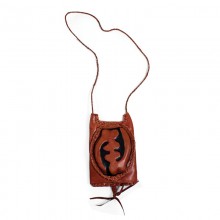
Kente Gye Nyame Crossbody Bag
Colors Of Ghana Kente Purse
Woven Kente Stole (Sash)
Women's & Men's Apparel
Kente Print Capette
Kente Print Duster Vest
Kente Print Long Sleeve Dashiki
Dom Kente Jacket
Men's White/Kente Formal Robe
African-Made Kente Pant Set
African-Made Kente Gown
Kids Outfits
Kente Kids Outfits
Fabrics & Raw Cloth
Best Hand Woven Kente/Ashanti Cloth
Discover authentic Kente pieces and custom fashion tailored to your vision with Shades of Africa today!





All prices are in USD. Copyright 2026 Shades of Africa. Sitemap | Powered by HB-Commerce