Jojoba Oil for Skin: Does It Actually Work?
08/20/2026
Contents
-
What Is Jojoba Oil and How Does It Work?
-
The Benefits: Why Use Jojoba Oil for Your Skin?
-
How to Use Jojoba Oil in Your Daily Routine
-
What to Watch Out For Before Applying
-
Choosing the Right Jojoba Oil
-
Common Questions About Jojoba Oil
-
Stock Jojoba Oil Your Customers Will Reach For
8 MIN READ
SHADES OF AFRICA EDITORIAL
AUG 20, 2026
Share This Post
Facebook | X | Pinterest
When skin feels dull, dry, or out of balance, adding an oil to your routine can feel risky. But jojoba oil constantly tops the charts in natural skincare recommendations. So does it actually live up to the hype, or is it just another beauty trend?
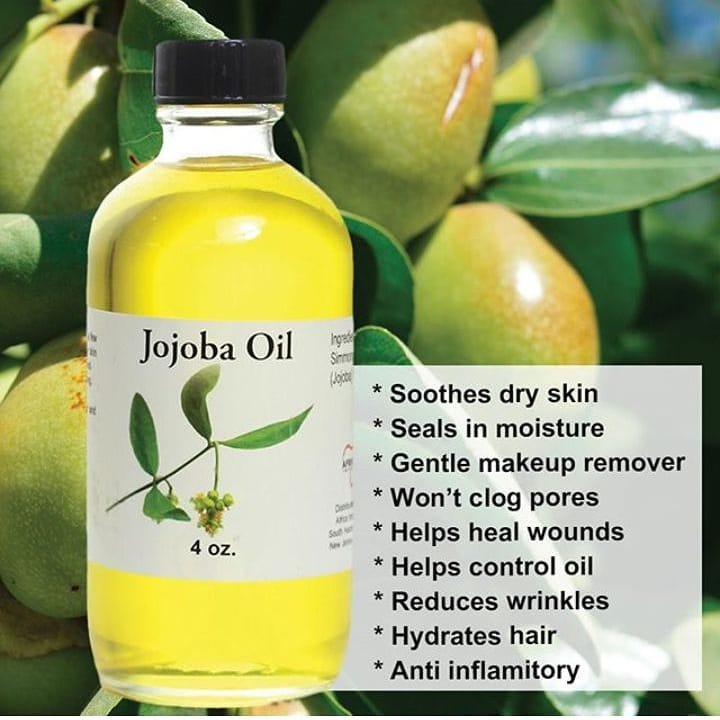
Jojoba oil comes from the seeds of the Simmondsia chinensis plant, a resilient shrub native to arid desert regions. Despite its common name, it isn’t technically an oil. It is a liquid wax ester—a compound surprisingly similar in molecular structure to human sebum, the natural oil your skin produces. Because of this unique similarity, jojoba oil absorbs effortlessly, hydrates without feeling heavy, and works harmoniously across virtually every skin type.
What Is Jojoba Oil and How Does It Work?
Your skin relies on natural lipids to maintain its protective barrier, lock in moisture, and keep external irritants out. When your barrier gets compromised due to harsh weather, over-exfoliation, or stripping cleansers, your skin responds by becoming dry or overcompensating with excess oil.
Because jojoba oil acts as a biological twin to natural skin oils, it tricked-hydrates: it tricks the skin into thinking it has produced enough moisture, helping to balance natural oil production while restoring the lipid barrier.
The Benefits: Why Use Jojoba Oil for Your Skin?
-
Deep Hydration: It locks in moisture without sitting on top of the skin or leaving a sticky, greasy residue.
-
Soothes and Calms: Naturally rich in Vitamin E and B-complex vitamins, jojoba helps calm redness, irritation, and environmental stress.
-
Non-Comedogenic Barrier: Sits low on the comedogenic scale (typically 0–2), making it safe for most skin types without clogging pores.
-
Antioxidant Protection: Helps shield skin from free-radical damage caused by pollution and UV exposure.
How to Use Jojoba Oil in Your Daily Routine
| Application Method |
How to Do It |
Best For |
| Daily Facial Oil |
Press 2–3 drops onto clean, damp skin after applying water-based serums. |
Dry, normal, or combination skin needing lightweight moisture. |
| Moisturizer Booster |
Mix 1–2 drops directly into your favorite lotion or cream in your palm. |
Extra hydration during cold or dry months. |
| Makeup Remover / Cleanser |
Massage 4–5 drops onto dry skin to melt away makeup, then wipe clean with a warm, damp cloth. |
Gentle daily cleansing without stripping natural oils. |
| Body & Cuticle Treatment |
Smooth a few drops over dry elbows, knees, or cuticles after showering. |
Softening rough skin patches across the body. |
What to Watch Out For
-
Perform a Patch Test: Apply 1–2 drops to your inner forearm or jawline and wait 24 hours to check for sensitivity.
-
Less Is More: Jojoba oil is highly concentrated. Over-applying can leave skin feeling slick rather than absorbed.
-
Not a Medical Cure: While excellent for daily maintenance, consult a dermatologist for chronic skin conditions like eczema, rosacea, or severe acne.
Choosing the Right Jojoba Oil
To get the full skin-nourishing benefits, choice of product matters. Always select 100% pure, cold-pressed, unrefined jojoba oil. Unrefined oil retains its natural golden color and rich nutrients, whereas refined versions often lose key vitamins through heat processing.
Bonus: Jojoba oil has a naturally long shelf life compared to traditional plant oils, meaning it won't spoil quickly in your cabinet.
Common Questions About Jojoba Oil
Does jojoba oil suit oily skin?
Yes. Because it mimics natural sebum, it helps signal to oily skin that enough moisture is present, helping balance overall oiliness.
Can I use jojoba oil every day?
Absolutely. It is gentle enough for morning and evening application.
Is jojoba oil safe for sensitive skin?
In most cases, yes. Its natural composition makes it hypoallergenic and soothing, though a patch test is always recommended.
Stock Jojoba Oil Your Customers Will Reach For
At Shades of Africa, every order helps empower artisans, local businesses, and health initiatives across African communities. Adding high-grade jojoba oil to your product lineup gives your customers a versatile, universally loved skincare staple. Browse our wholesale cold-pressed oils today to expand your range with trusted, high-quality ingredients.
Health and Safety Disclaimer: This article is strictly for informational purposes. Jojoba oil products sold by Shades of Africa are not intended to diagnose, treat, cure, or prevent any medical skin condition. Always consult a dermatologist for personalized skincare advice.
 Loading... Please wait...